
Fall pest problems in Milwaukee often start before homeowners realize there is a problem. One warm September afternoon might bring dozens of boxelder bugs to the sunny side of a house. A few weeks later, scratching in a garage or basement could point to mice looking for a protected place as temperatures fall.
That is why effective fall pest control is largely about timing. The goal is to notice the change in pest activity while pests are still outside or just beginning to look for a way in.
At The Bug Man & Queen Bee, we focus heavily on pest prevention. Milwaukee homeowners can do quite a bit on their own during fall, but knowing what to watch for can help you decide when basic home maintenance is enough and when pest activity needs more attention.
What Changes Around Your Milwaukee Home in Fall?
Pests do not disappear because summer is over. They change what they are doing.
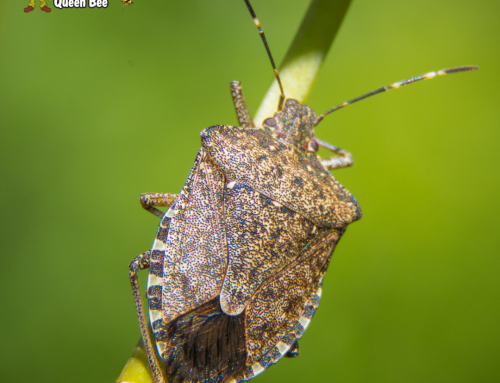
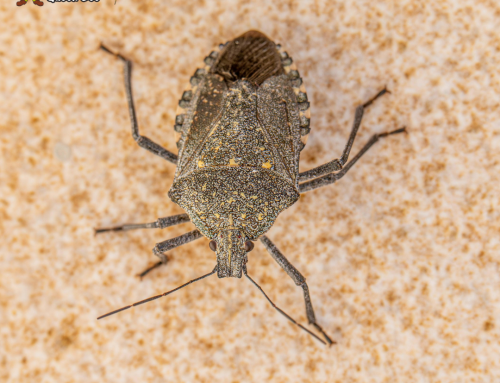
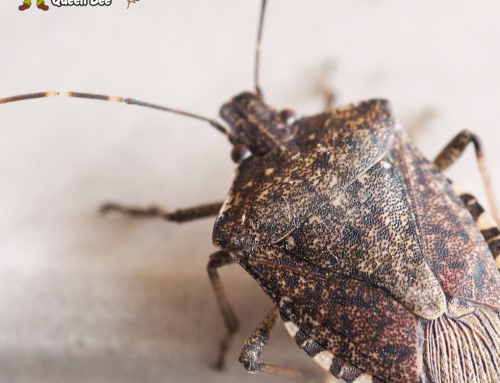
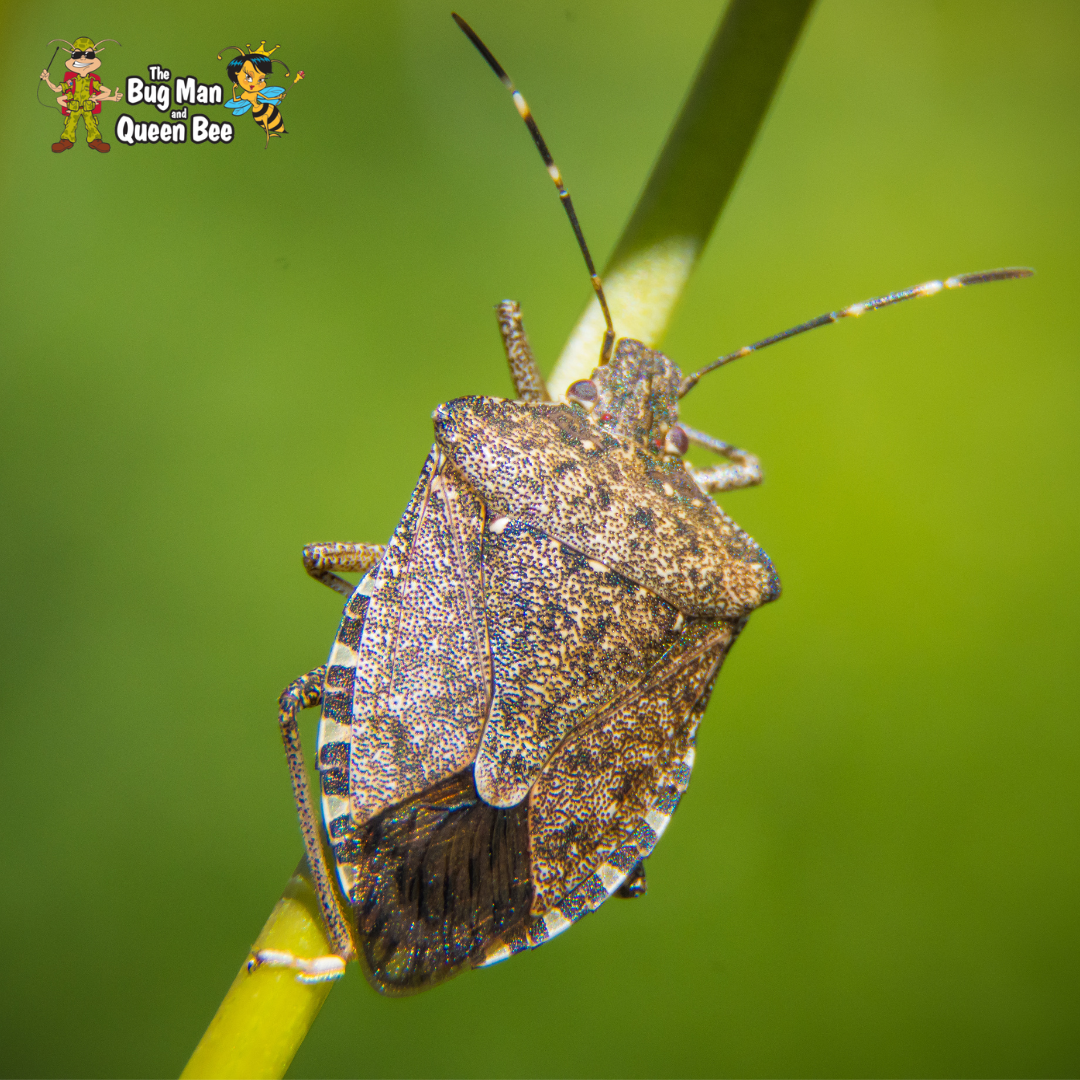
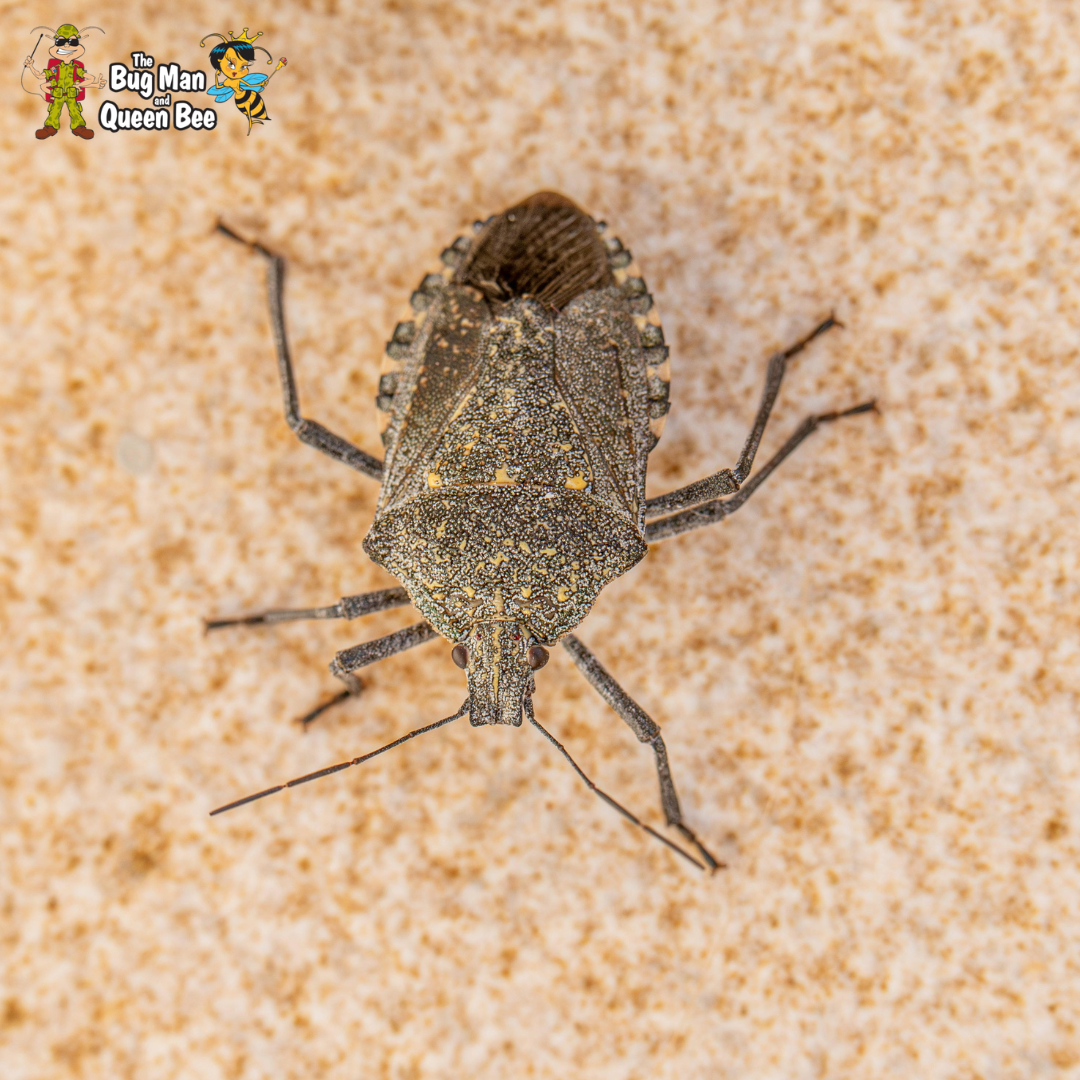
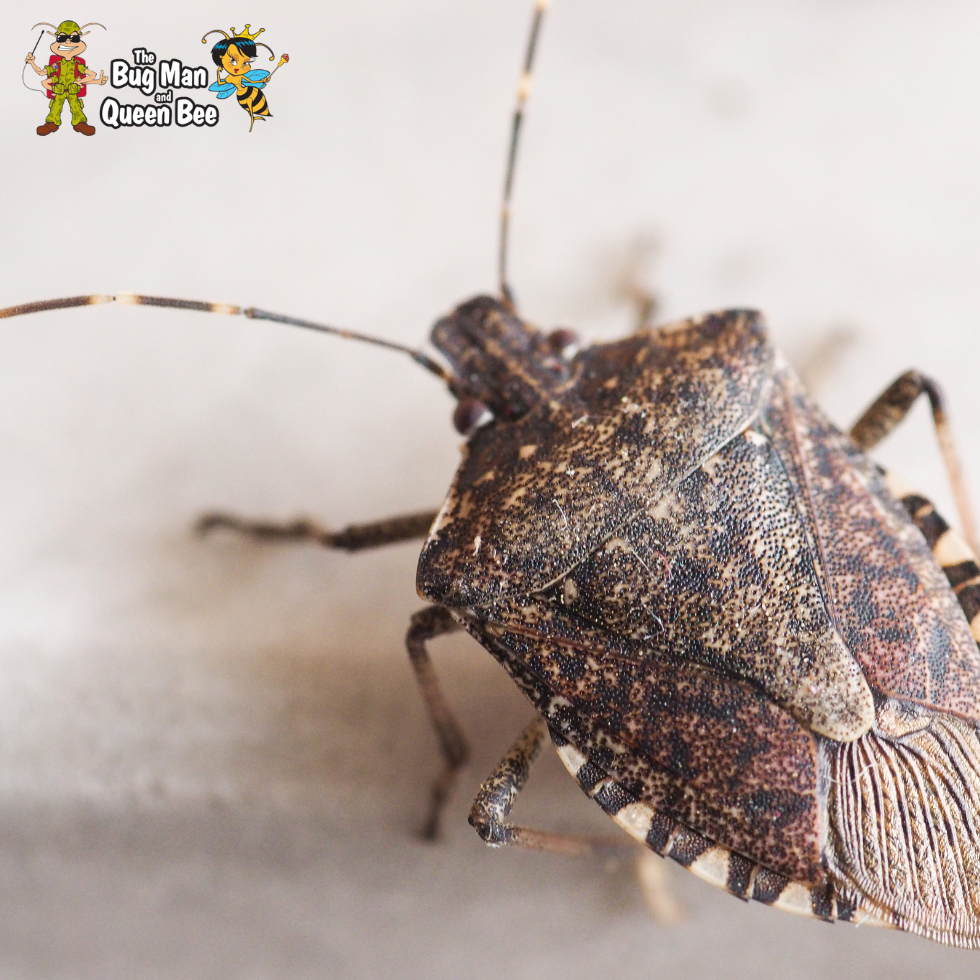
Boxelder bugs, Asian lady beetles, and stink bugs are seasonal invaders that seek protected areas as colder weather approaches. Boxelder bugs are especially noticeable during warm fall afternoons when they gather on sun-exposed walls before finding places to overwinter.
Wisconsin research backs up what homeowners often see firsthand. According to UW Extension, boxelder bugs commonly gather on the outsides of homes during sunny days in September and October before moving into protected spaces such as attics and wall voids.
Rodents create a different type of fall concern. A mouse is not gathering on an exterior wall where you can easily see it. Homeowners are more likely to notice droppings, noises, damaged food packaging, or other evidence after the mouse has already entered.
Those differences matter. There is no single fall treatment that makes sense for every pest.
Watch Your House on Warm Fall Afternoons
One of the best times to inspect your house for seasonal invaders is not on the coldest day of fall. It is on one of those sunny afternoons when temperatures temporarily warm back up.
Walk around the exterior and look closely at the sides receiving the most sun. Boxelder bugs and Asian lady beetles may collect around siding, windows, doors, rooflines, and other exterior surfaces.
That activity gives you useful information before the insects disappear into the structure.
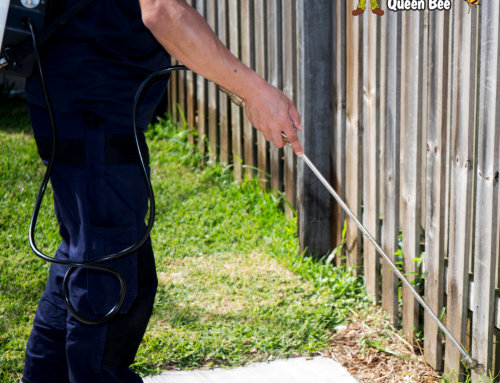
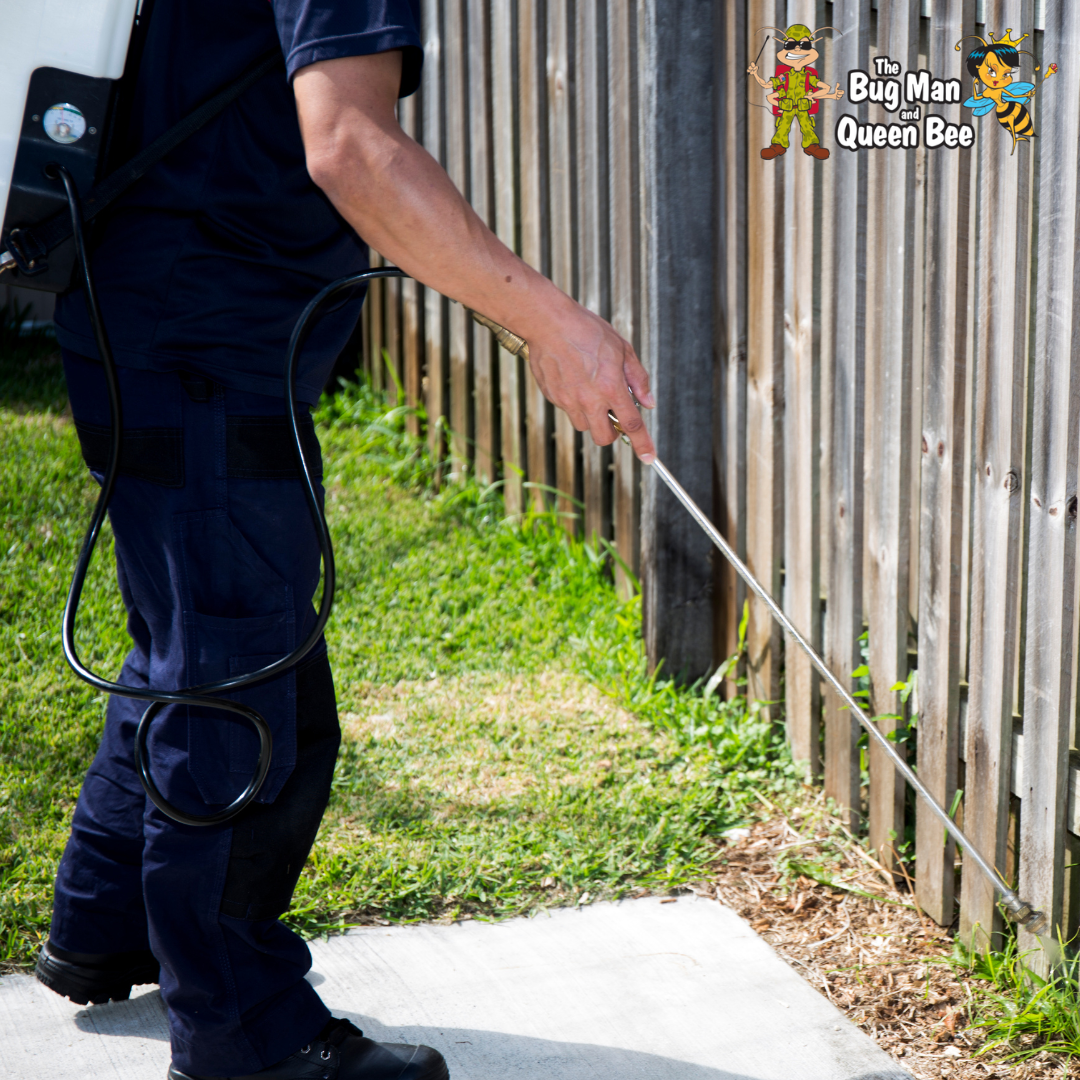
Our seasonal invaders treatment focuses on boxelder bugs, Asian lady beetles, and stink bugs. For boxelder bugs and Asian lady beetles, treatments are generally performed from late September into early October, before large numbers have entered the structure.
This is one reason waiting until bugs begin appearing around interior windows in winter is not ideal. By then, some of the insects may already be overwintering inside walls or other protected areas.
A Five-Minute Exterior Check Can Reveal a Lot
You do not need specialized equipment to spot many of the conditions pests use to enter a home.
Start at one corner of the house and slowly work your way around the exterior. Look at the house from ground level instead of walking the yard while looking from a distance.
Pay particular attention to:
- Gaps around exterior doors
- Damaged window screens
- Openings where pipes or utility lines enter the house
- Cracks around the foundation
- Loose areas around siding or trim
- Gaps along garage doors
- Openings near soffits and rooflines
These areas matter because pests do not need a front-door-sized opening. Small gaps in places homeowners rarely inspect can be enough for insects or rodents to move into protected areas.
Fall is also a useful time to notice what has changed since spring. Weather, home projects, aging caulk, damaged screens, and normal wear can create openings that were not there during your last inspection.
Don’t Give Pests a Hiding Place Against the House
Fall yard cleanup can affect pest activity closer to the foundation.
Leaves packed against siding, dense vegetation touching the house, stacked materials, and outdoor clutter can create protected areas where pests can remain close to the structure. Firewood and stored outdoor items can serve the same purpose.
You do not need to make the landscaping around your home completely bare. Instead, focus on removing unnecessary shelter directly against the structure and keeping an eye on moisture.
Check for damp areas near the foundation, leaking outdoor faucets, and other spots that stay wet longer than the surrounding area. Many crawling insects favor protected areas where moisture and shelter are available.
The practical question is not whether your yard contains insects. It should. The concern is whether conditions immediately next to your house make it easier for pests to stay close to possible entry points.
One Mouse Sighting Deserves a Closer Look
Seeing one mouse does not tell you how many mice are present or how they entered.
Instead of focusing only on the animal you saw, look for evidence around the area. Mouse activity may include droppings, gnawing, shredded nesting material, damaged food packages, or scratching noises after the house becomes quiet.
Garages are worth particular attention in fall. They frequently combine exterior access, stored items, pet food, garbage, and entry points leading deeper into the house.
Removing a mouse without figuring out how it entered can leave you dealing with the same problem again. Our rodent management services address mouse and rodent activity when the problem goes beyond what a homeowner can reasonably handle.
If you start noticing signs of rodents as temperatures fall, address the activity rather than assuming winter weather will make it disappear.
Don’t Overlook What’s Happening in the Garage
The garage often sits somewhere between indoor and outdoor space, which makes it easy to ignore during a fall pest inspection.
Take a look around garage door edges, storage areas, cardboard boxes, pet food, bird seed, and items that have recently been brought in from outside. Check whether the garage door sits tightly against the floor when closed.
This is also a good place to notice pest activity before it spreads farther into the home.
A few insects near a garage door after it has been open all afternoon may not mean much. Repeated droppings, gnawed packaging, large numbers of insects, or activity coming from the same crack or wall area tells you something different.
Patterns are more useful than isolated sightings.
Should You Seal Every Opening as Soon as You Find It?
Usually, closing pest entry points is good preventive maintenance. There are situations where you should identify the pest before closing an active opening.
For example, if wasps or yellow jackets are repeatedly flying into and out of the same opening in a wall, soffit, roofline, or other part of the structure, simply sealing that opening may not address the nest.
The same idea applies to other pest activity. If you can see that pests are actively using an opening, knowing what is inside and what needs to happen next is more useful than immediately covering the hole.
On the other hand, ordinary gaps around windows, doors, screens, and utility penetrations that show no signs of active nesting are good places to focus preventive maintenance.
What Should You Do When Fall Bugs Are Already Inside?
An occasional boxelder bug or similar seasonal invader inside the house does not automatically mean there is a major infestation.
Vacuuming visible boxelder bugs is one practical way to remove them. Avoid crushing them against walls, curtains, or other surfaces because they can leave staining behind.
More importantly, make a note of where you keep seeing them.
If several bugs repeatedly appear around the same window, room, ceiling fixture, or wall area, that pattern may give you a clue about where overwintering insects are emerging into your living space.
Indoor activity during winter can also be confusing. A sunny day can warm portions of a house enough to make overwintering insects active even though it is cold outside. The insects did not necessarily enter that day. They may have been inside the structure since fall.
That is why what happens in September and October can affect what you see months later.
When Does Fall Pest Control Need Professional Attention?
The number of pests matters, but repetition matters just as much.
One boxelder bug near a door is different from dozens gathering across an exterior wall. One unexplained noise is different from scratching that returns every night. One wasp flying through the yard is different from steady traffic entering the same hole in the siding.
Consider professional help when you notice:
- Large numbers of seasonal invaders gathering on the house
- Pest activity returning to the same location
- Mouse droppings or other rodent evidence
- Scratching inside a wall or ceiling
- An active stinging insect nest
- Insects repeatedly emerging from inside the structure
- A pest you cannot confidently identify
- Activity that continues after basic prevention steps
Correct identification helps determine what should happen next. Our home services include prevention and management options for common Milwaukee-area pest problems such as stinging insects, crawling insects, seasonal invaders, and rodents.
Get Ahead of Milwaukee Fall Pest Problems
Good fall pest control starts with noticing what has changed around your house. Watch sunny exterior walls for seasonal invaders, inspect common entry points, clear unnecessary shelter away from the foundation, and pay attention when the same pest activity keeps showing up.
Milwaukee fall weather can create a short window when pests are actively looking for places to overwinter. Catching that activity outside is often much easier than figuring out where pests are hiding after they have moved into walls, attics, garages, or other protected spaces.
If you are seeing seasonal invaders, rodents, stinging insects, or other pest activity around your home, contact The Bug Man & Queen Bee. We can help identify what is happening and determine the right next step for your property.