
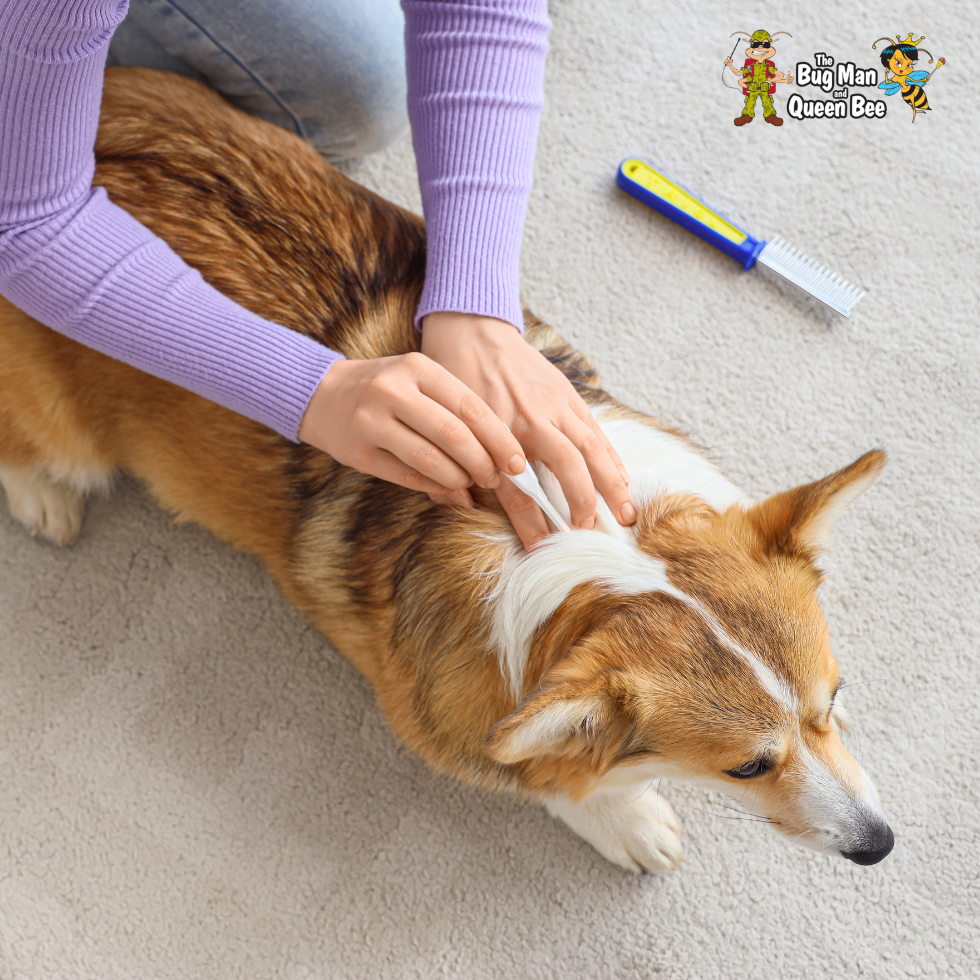
Your dog comes inside after resting in the yard, and a few days later, you notice more scratching than usual. Maybe your cat has started grooming the same area over and over. Then you spot small bites near your ankles or dark specks in the pet bedding.
Flea pest control can be frustrating for Milwaukee homeowners because the fleas seen on a pet are only one part of the problem. Eggs, larvae, and pupae may be developing in carpeting, furniture, bedding, floor cracks, or outdoor areas where pets rest. Getting the activity under control often requires attention to the pet, the home, and the yard at the same time.
How Do You Control Fleas in a Home With Pets?
Flea pest control works best when every dog and cat receives veterinarian-recommended care while the places where fleas develop are cleaned or treated. This can include vacuuming, washing pet bedding, addressing indoor resting areas, and treating parts of the yard where pets regularly spend time. Treating the yard does not remove fleas already living on a pet, while treating the pet alone may leave activity elsewhere on the property.
Why Do Fleas Return After You Treat a Dog or Cat?
Finding fewer fleas on your pet does not always mean the problem is over. Adult fleas spend much of their time on an animal, but flea eggs can fall into pet beds, rugs, furniture, and cracks along floors. New adults may continue emerging even after the visible fleas are removed.
Fleas also pass through several life stages. Some stages are harder to reach with a single cleaning or application, which is why activity can seem to disappear and then return. Moderate or heavy infestations may take time to control, especially when pets continue visiting the same affected areas.
Cleaning should continue after the first pet treatment. Vacuum carpets, upholstered furniture, floor edges, baseboards, and the spaces beneath furniture. Wash pet bedding and any blankets or sheets where pets regularly lie.
The CDC’s recommended removal steps call for sanitation, treatment of every pet, attention to the home and yard, and follow-up work. Starting these steps around the same time helps interrupt the flea life cycle rather than addressing only the adult fleas you can see.
Pet Treatment vs. Outdoor Flea Pest Control
Pet treatment and outdoor treatment have different jobs. A veterinarian can recommend a product based on your pet’s species, age, size, and health. This is especially important in homes with both dogs and cats because a product intended for a dog may not be appropriate for a cat.
Outdoor treatment focuses on the parts of the property where fleas are likely to wait for an animal host. Fleas often develop in shaded, protected places where pets, rodents, raccoons, or other animals spend time. Common problem areas may include:
- Beneath decks and porches
- Along fence lines
- Around shrubs and dense plant growth
- Near dog runs, kennels, or outdoor pet beds
- In shaded grass where pets frequently rest
One option does not replace the other. Veterinary care addresses fleas living and feeding on the animal. Cleaning helps remove developing fleas inside the house. Outdoor service can reduce activity in the yard areas where pets may keep picking them up.
The Bug Man & Queen Bee offers outdoor service that begins with a property inspection. Treatment plans focus on the conditions around the home, and each application is designed to last about 21 days. Homeowners can see what an outdoor visit may include before deciding whether the service fits their property.
When Does Flea Pest Control Matter Most?
Outdoor flea service may be worth considering when a pet continues picking up fleas after receiving veterinarian-recommended care. It can also help when the problem returns after repeated cleaning or when people in the home begin noticing bites.
This type of service is often useful for households where dogs or outdoor cats visit the same parts of the yard each day. Homes with shaded landscaping, decks, sheds, pet runs, or frequent wildlife activity may also have outdoor areas where fleas can remain protected.
Milwaukee-area homeowners may notice problems during warmer months when pets spend more time in yards, parks, wooded spaces, and other outdoor areas. A dog that rests beneath a deck or walks along a wildlife-traveled fence line may have repeated opportunities to encounter fleas.
An outdoor application may not be needed when a veterinarian determines that the issue is limited to one pet and there are no signs of activity around the house or yard. It may also be unnecessary to treat the entire property when the problem is limited to a small, identifiable area. A property inspection helps determine where treatment makes sense.
Pet owners who are concerned about several outdoor biting pests can also read about protection for tick-prone areas. Fleas and ticks are different pests, but both may be found in shaded vegetation and spaces used by pets or wildlife.
Licensed pest control providers use property conditions, pet activity, landscaping, and signs of pest pressure to decide where an application should be placed. This targeted process focuses service on the parts of the yard most likely to support flea activity instead of treating every outdoor surface in the same way.
Protect Your Pets and Milwaukee Yard From Ongoing Flea Activity
Successful flea pest control requires more than removing the adult fleas you can see. Veterinary care, regular indoor cleaning, and attention to outdoor resting areas all help reduce the chance that fleas will continue moving between the yard, pets, and home.
The Bug Man & Queen Bee provides outdoor flea pest control for Milwaukee homeowners who need clear answers and responsive service. Request an estimate to tell us where you are seeing activity and find out whether outdoor treatment is the right next step for your property.
