
Your dog runs along the edge of the yard, your children play near the swing set, and your family gathers on the patio for dinner. These everyday activities can bring people and pets close to the shaded grass, brush, and plants where ticks often wait for a host.
Tick prevention helps Milwaukee homeowners reduce tick activity in the areas their families use most. Combining regular yard care, personal precautions, pet protection, and professional treatment can lower the chance of ticks reaching people, animals, and indoor spaces.
What Tick Prevention Does Around a Home
Tick prevention reduces the conditions that attract ticks and targets the parts of a property where they are most likely to be found. A complete plan may include mowing, removing leaf litter, checking pets and children after outdoor activity, and using a professional tick control service when the property has ongoing tick activity.
No single method can remove every tick from an outdoor area. Using several prevention steps together provides better protection than relying on one spray, one yard cleanup, or occasional tick checks.
How Do Ticks Reach Pets and Children?
Ticks cannot jump or fly. They wait on grass, leaves, low plants, and brush until a person or animal passes close enough for them to grab onto clothing, fur, or skin. Dogs face frequent exposure because they explore along fences, shrubs, wood piles, and wooded property lines. A tick can attach to a dog during a short trip outside and remain hidden under thick fur. Pets may also carry loose ticks into the house, where the ticks can later attach to another animal or person.
Children often play close to the ground, especially around playsets, gardens, sandboxes, and lawn games. They may sit in grass, crawl under shrubs, or collect leaves and sticks without realizing they have entered tick habitat.
Checking children and pets after outdoor activity is an important part of prevention. Pay close attention to hidden areas, including the scalp, behind the ears, under the arms, around the waist, and behind the knees. Pet owners should also speak with a veterinarian about an appropriate tick prevention product for their dog or cat.
Which Yard Changes Can Lower Tick Activity?
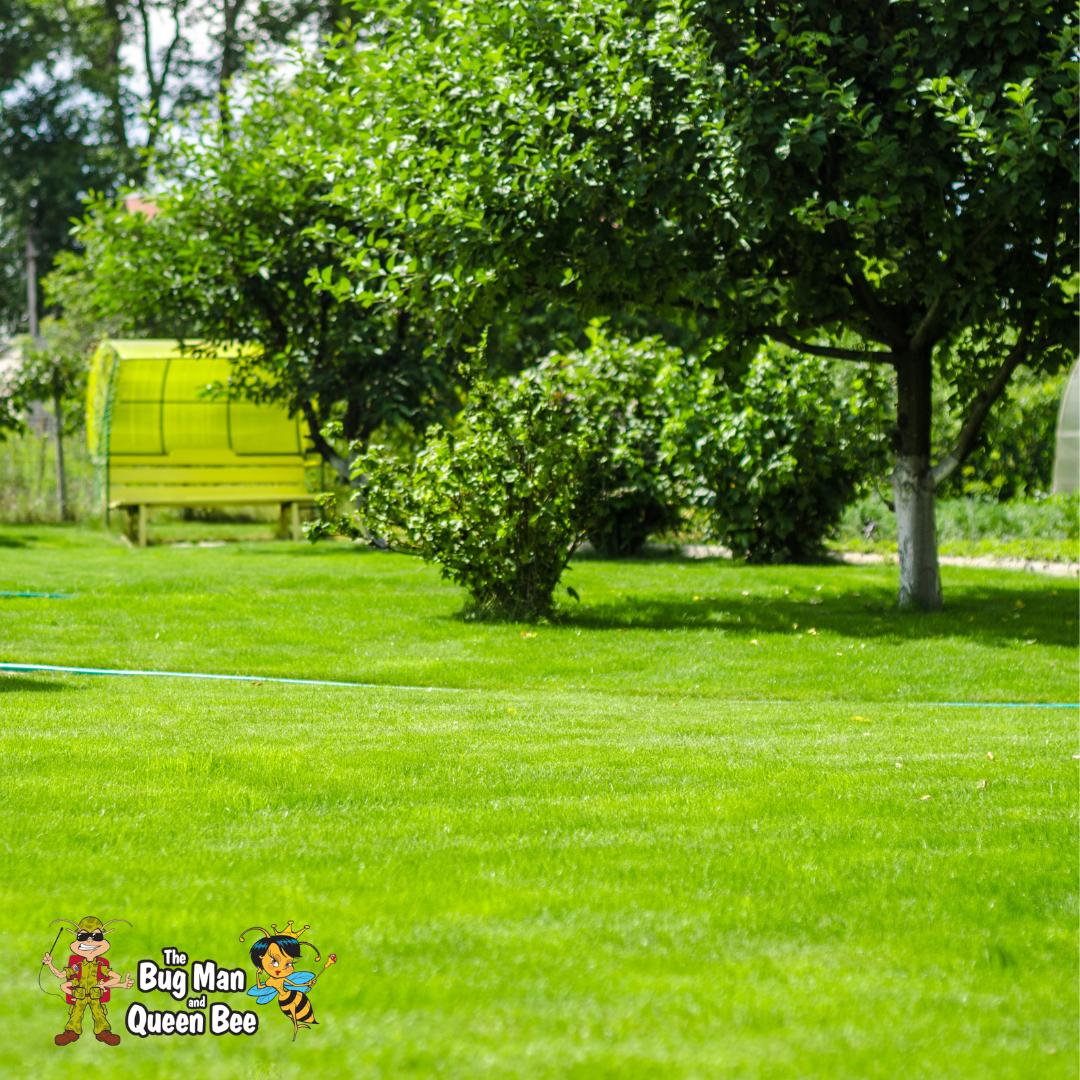
Ticks prefer areas that provide moisture, shade, and protection from direct sunlight. Tall grass, thick ground cover, brush, leaf piles, and wooded edges can all create suitable places for them to rest. Homeowners can reduce backyard tick habitat by mowing regularly, clearing leaves, trimming overgrown plants, and removing piles of grass clippings or yard debris. Firewood should be stacked neatly in a dry area away from patios, play spaces, and the home.
The Wisconsin Department of Health Services’ tick bite prevention guidance recommends creating a three-foot barrier of wood chips or gravel between lawns and wooded areas. A similar barrier can be placed around patios and play equipment. Tables, swing sets, and other frequently used features should also be placed away from woods, shrubs, and tall grass when the property layout allows it.
Wildlife activity matters as well. Deer and rodents can carry ticks onto residential properties. Closing gaps under sheds, removing unnecessary wood piles, and avoiding outdoor food sources can make a yard less attractive to some of these animals.
These changes can lower tick activity, but they may not solve an established problem. Properties with dense landscaping, wooded borders, or repeated tick sightings may need more direct treatment.
DIY Yard Care vs. Professional Tick Treatments
DIY tick control usually focuses on mowing, leaf removal, repellents, pet products, and routine body checks. These steps are useful for nearly every household and should continue throughout tick season.
The challenge is that ticks are rarely spread evenly across an entire lawn. They tend to gather near wooded edges, shaded shrubs, ground cover, stone walls, fence lines, and other protected areas. Treating open grass while missing these locations may produce limited results.
Professional outdoor pest control begins with identifying the parts of the property where ticks are most likely to live or travel. A property inspection can reveal shaded hiding areas, wildlife activity, and landscaping conditions that may be contributing to the problem.
Our mosquito, flea, and tick control services begin with an inspection and initial treatment. We then focus on the higher-risk areas around the property rather than treating every outdoor surface in the same way.
Individual tick treatments generally remain effective for about 21 days. For stronger seasonal control, we commonly recommend a complete schedule of seven to nine applications. Regular service helps address new ticks that may enter the yard through wildlife, pets, or nearby vegetation as the season continues.
Professional treatment does not replace personal precautions. Homeowners should continue checking family members and pets, maintaining the yard, and using appropriate repellents when spending time near wooded or overgrown areas.
When Does Yard Protection Matter Most?
Tick control may be especially useful when a home borders woods, trails, parks, fields, or unmanaged land. Properties with dense shrubs, mature landscaping, stone walls, or shaded ground cover can also offer more places for ticks to hide.
Families with dogs may benefit because pets often explore the outer edges of a yard. Households with young children may want added protection around playsets, gardens, sports areas, and other places where children spend time close to the grass. Prevention also matters for homeowners who use their yards often. Gardeners, families who host outdoor gatherings, and people who spend time around fire pits, patios, or pools may have more chances to come into contact with ticks.
Professional treatment may not be necessary for every property. A small, sunny yard with short grass, limited vegetation, and no history of tick sightings may be managed through regular maintenance, pet protection, and tick checks. It may be time to consider service when you repeatedly find ticks on pets, clothing, children, patio furniture, or outdoor equipment. Seeing several ticks during a short period may indicate that active habitat is located somewhere around the property.
Spend More Time Enjoying Your Milwaukee Yard
Good tick prevention helps reduce the chance that ticks will reach your pets, children, guests, or indoor living spaces. Yard maintenance and regular tick checks form a strong starting point, while professional treatments can address the shaded and overgrown areas where ticks are harder to manage.
The Bug Man & Queen Bee provides responsive Milwaukee pest control services based on the conditions around each home. Contact us to schedule an inspection and learn whether seasonal tick treatment is a good fit for your outdoor space.