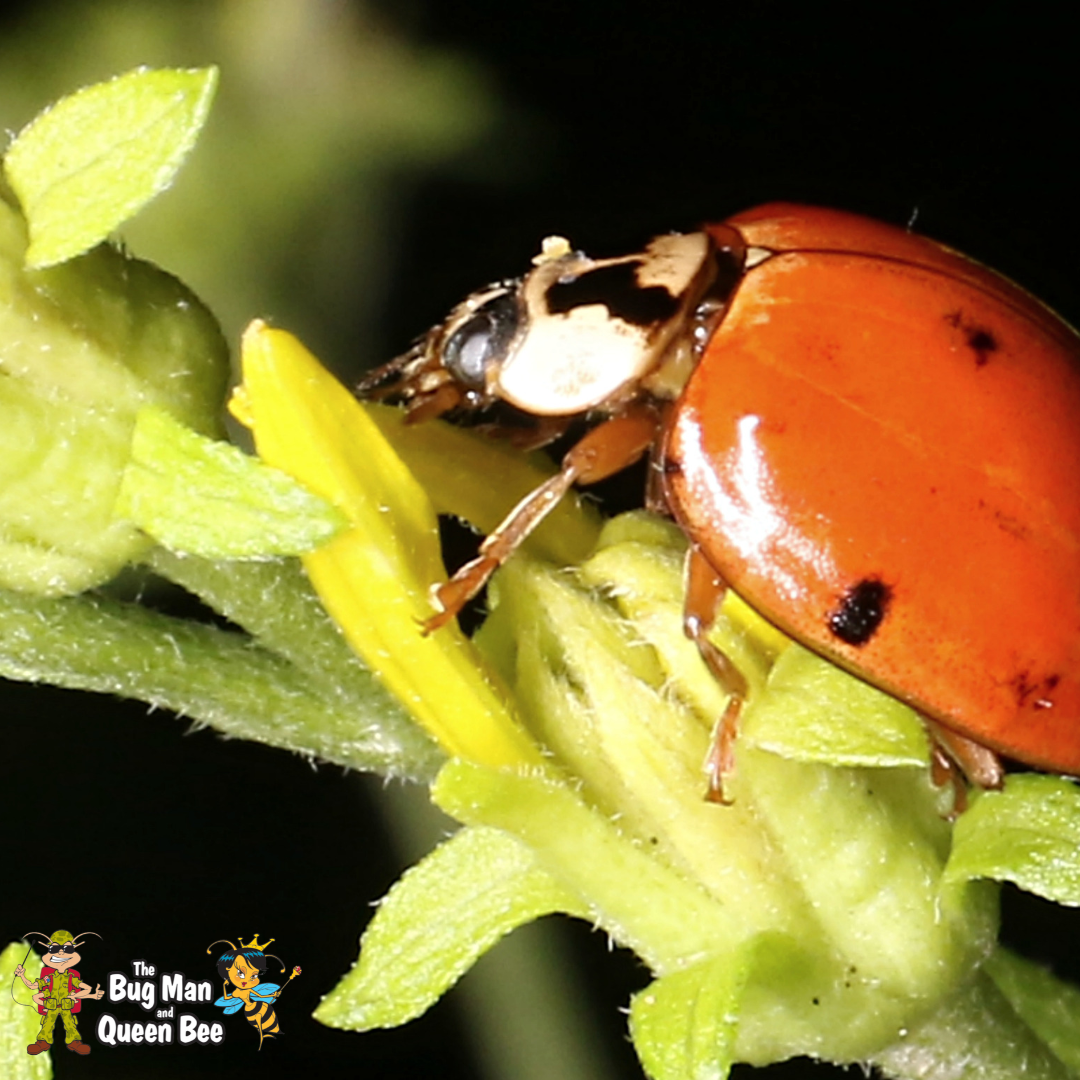
If you have dozens of “ladybugs” crawling across your windows or gathering on the sunny side of your house, there is a good chance you are looking at Asian lady beetles. These beetles can be orange, red, yellowish, or even dark in color, and the number of spots varies. One of the more useful clues is a pale area behind the head that often has a dark marking shaped like an M.
For Milwaukee homeowners, the bigger difference is often behavior. Asian lady beetles are known for gathering on homes as temperatures cool, finding small openings into the structure, and spending the winter in protected spaces. They may show up again around windows and other bright areas when temperatures warm.
Asian lady beetles are technically lady beetles themselves. The reason it helps to identify them is that their habit of entering homes can turn an insect that is useful outdoors into a frustrating seasonal pest.
Are Asian Lady Beetles Actually Ladybugs?
Yes. “Ladybug” is a common name for insects in the lady beetle family. Asian lady beetles, scientifically known as Harmonia axyridis, belong to that family too.
That means a homeowner trying to tell a ladybug from an Asian lady beetle is really trying to distinguish one particular species from other lady beetles.
Outside, that distinction may not matter much. Many lady beetles are beneficial predators that feed on aphids and other small insects. The problem with Asian lady beetles around homes is their overwintering behavior. Large numbers can gather on a building in fall and some may find their way inside.
The UW Extension notes that these beetles commonly gather on homes and other buildings while searching for protected places to spend the winter.
How Can You Tell an Asian Lady Beetle From a Ladybug?
Don’t rely on color or spots alone. Asian lady beetles vary enough in appearance that those clues can lead you in the wrong direction.
They are generally oval and rounded. Their color can range from yellow and orange to red, and some have many black spots while others have few or none. A better identifying feature is the pale section just behind the head. Asian lady beetles often have dark markings in this area that form an M shape.
Where you find the beetles can offer another clue.
A single lady beetle sitting on a garden plant in July is one thing. Dozens of orange or red beetles collecting on a sunny exterior wall on a cool fall afternoon are much more consistent with Asian lady beetle behavior.
If you are trying to identify the beetles around your home, look at the whole picture:
- Check for a dark M-shaped marking behind the head.
- Don’t rule them out because they have few or no spots.
- Pay attention to whether many beetles are gathering together.
- Notice whether activity increases around the house as fall temperatures drop.
- Watch sunny exterior walls, windows, and other areas where beetles are collecting.
This combination of appearance, season, and behavior is more useful than counting spots.
Why Do Asian Lady Beetles Gather on Milwaukee Homes?
Asian lady beetles spend the warmer months outdoors, where they feed on insects such as aphids. Their behavior changes as temperatures fall. Adult beetles begin searching for protected places where they can make it through winter.
That is when a house can become attractive.
On sunny fall days, you may see beetles collecting on exterior walls that have warmed in the sun. West and southwest sides of buildings are common gathering areas. From there, some beetles find cracks, gaps, and other small openings that lead into protected parts of the structure.
Wisconsin’s changing fall temperatures make this pattern easy to notice. You may see very little activity and then suddenly find a wall, window, or door covered with beetles after a sunny afternoon.
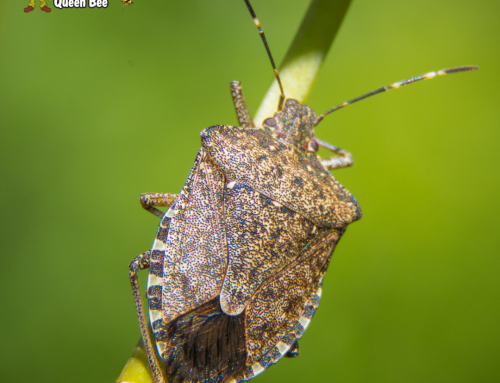
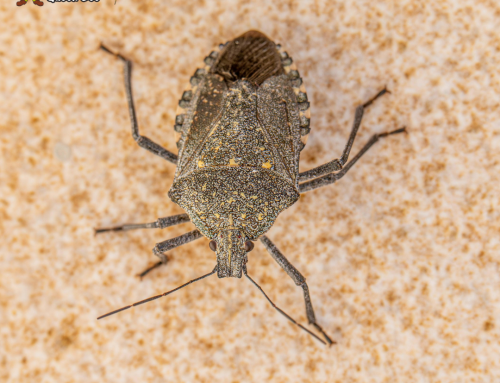
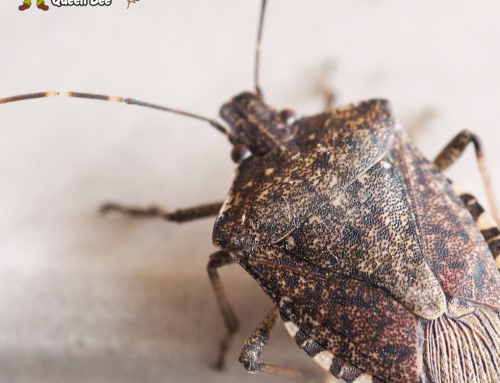
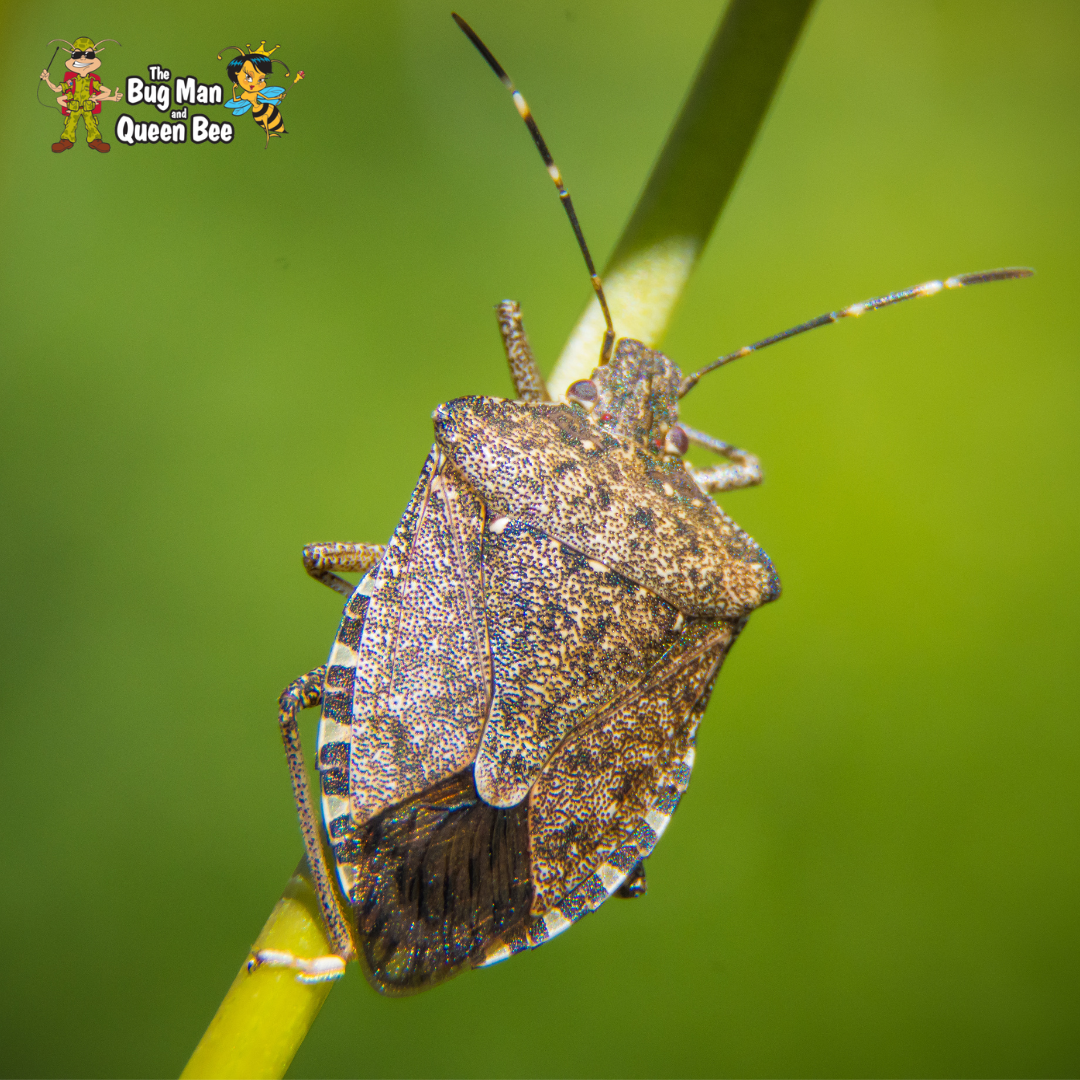
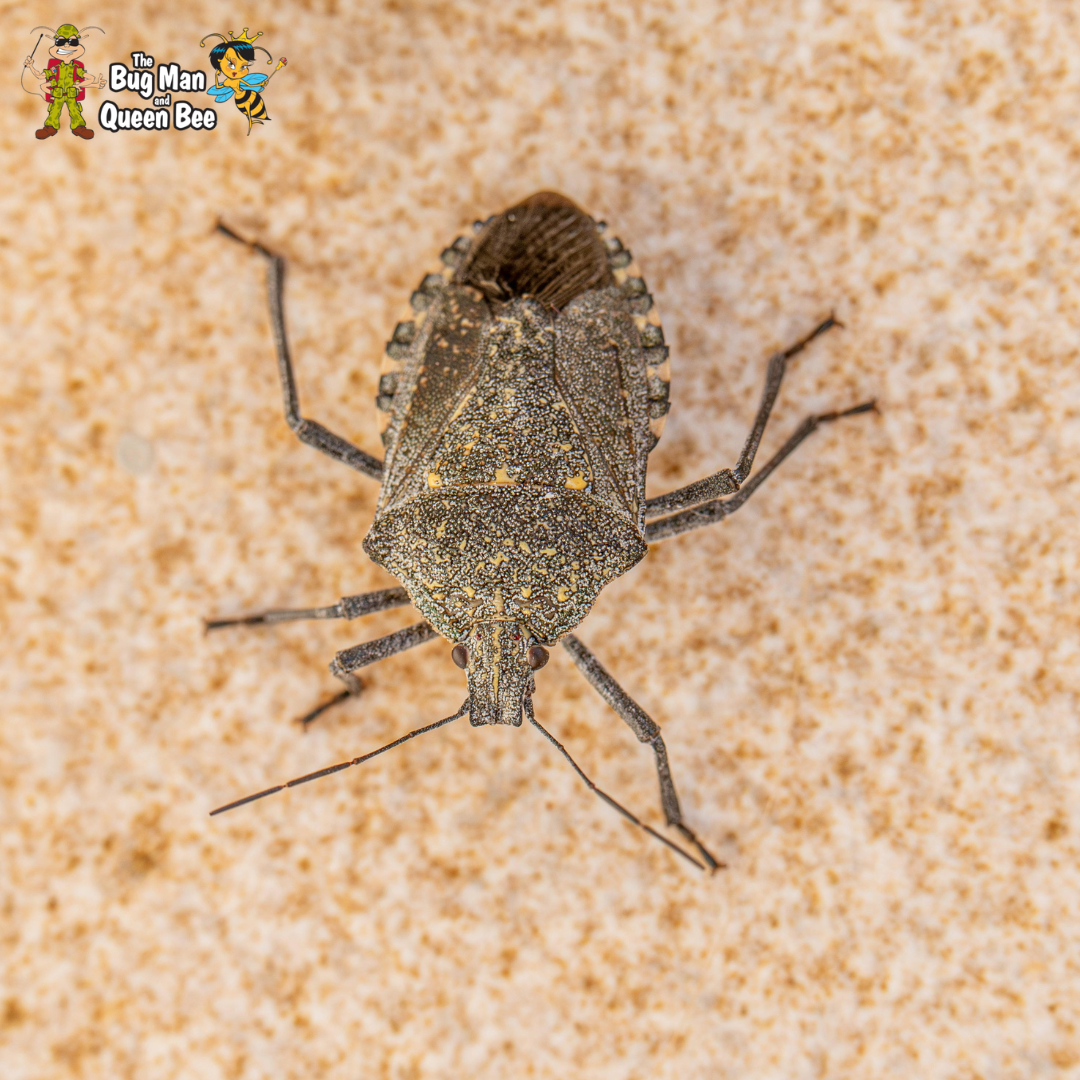
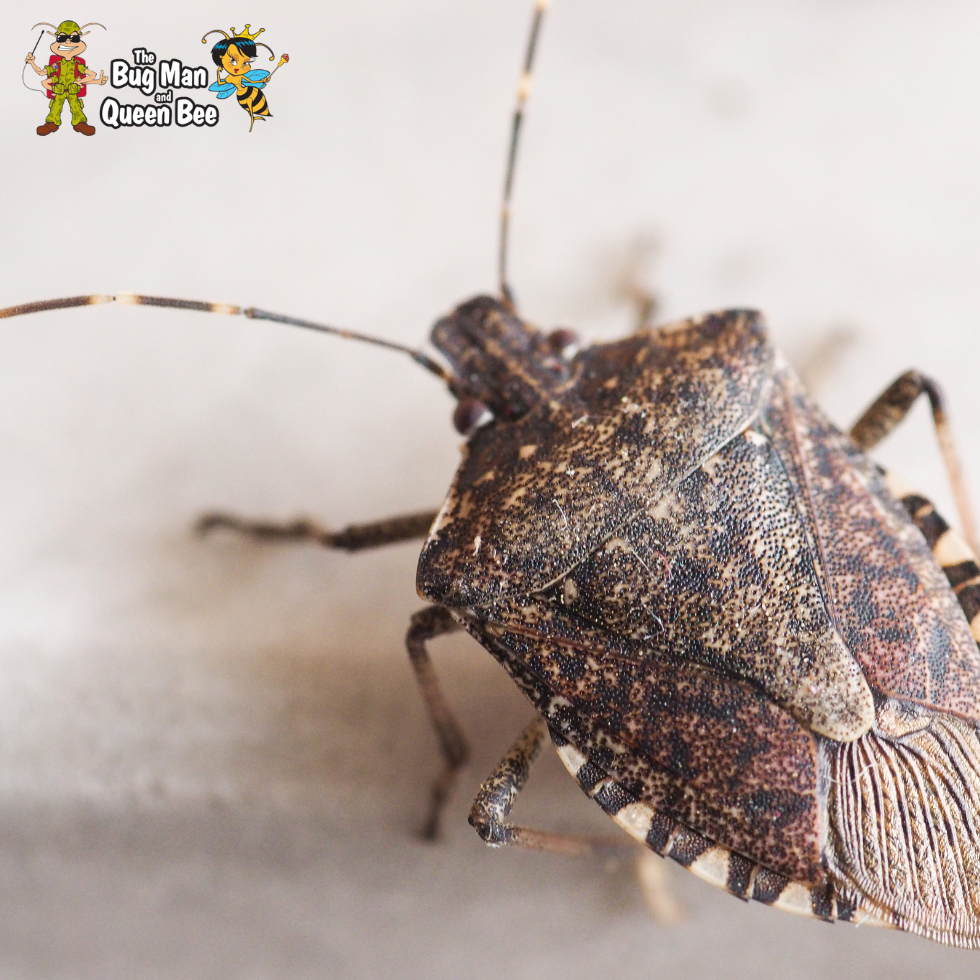
Asian lady beetles are one of several seasonal invaders Milwaukee-area homeowners may notice around this time of year. Boxelder bugs and brown marmorated stink bugs also seek protected places as colder weather approaches.
Why Are They at My Windows in the Middle of Winter?
Finding Asian lady beetles indoors in January or February does not necessarily mean a new group just entered your home.
Beetles that found their way into wall voids, attics, or other protected areas during fall can become active when conditions warm. A sunny winter day or heat from inside the house may get some of them moving. Once active, they may head toward light and end up around windows.
The same thing can happen as spring arrives. Beetles that spent months hidden inside the structure begin moving again as temperatures rise.
This is why an Asian lady beetle problem can feel like it disappeared in late fall and then suddenly return months later.
Do Asian Lady Beetles Bite?
Asian lady beetles can occasionally pinch or bite people, but this is not the main problem homeowners tend to have with them. They are primarily a nuisance when large numbers get into the house.
They also have a defense that can make indoor removal messy. When disturbed or crushed, Asian lady beetles may release a yellowish fluid with an unpleasant odor. The fluid can stain walls, curtains, carpeting, and other light-colored surfaces.
If you only have a few beetles indoors, vacuuming them is generally more practical than crushing them.
Are Asian Lady Beetles Harmful to Your House?
Asian lady beetles are not known for eating wood or causing the type of structural damage associated with some household pests. They enter buildings because they are looking for a protected place to overwinter.
That does not make a large indoor population pleasant to live with. Beetles crawling across windows, walls, and ceilings can become a persistent nuisance, especially when hundreds found their way into the structure during fall.
If you’re seeing several different insects moving indoors as the seasons change, our guide to Wisconsin pests can help you understand which pests tend to be active at different times of year.
Why Do Asian Lady Beetles Keep Coming Back Every Year?
A home that provides good overwintering conditions may attract Asian lady beetles year after year.
The beetles aren’t returning because they have established a colony and are breeding throughout your house. They are looking for protected winter shelter. If they can reach cracks, crevices, and other sheltered areas around the exterior, your home may continue to be an appealing overwintering site.
This is also why timing matters.
Once beetles are already inside wall voids for winter, an interior treatment is not the answer. The Bug Man & Queen Bee’s service is focused on reducing the number that enter the structure in the first place. Our fall reduction treatment is generally performed in late September to early October, before large numbers of beetles have settled in for winter.
What Should You Do When Asian Lady Beetles Are Already Inside?
If you find a handful of beetles inside during winter or spring, vacuuming or sweeping them up is usually the most practical response. Try not to crush them against walls or fabrics because of the staining and odor their defensive secretion can leave behind.
If this happens every year, however, the better time to address it is before the next group moves in.
Think back to what happened during fall. Did you see large groups covering one side of the house? Were they especially active around windows, siding, or other exterior openings? Did you start seeing beetles indoors shortly afterward?
Those details can tell you more about the source of the problem than finding a few beetles at a window months later.
Get Ahead of Asian Lady Beetles This Fall
The easiest way to tell Asian lady beetles from other lady beetles is to look beyond the spots. Their variable coloring, common M-shaped marking behind the head, tendency to gather in large numbers, and habit of seeking winter shelter in buildings are much better clues.
For Milwaukee-area homeowners, the time to think about Asian lady beetles is before they disappear into the house for winter. The Bug Man & Queen Bee offers a fall reduction treatment that focuses on the exterior of the structure, including areas where these seasonal pests are likely to gather and enter.
If your home seems to become a gathering place every fall, learn more about our reduction service or contact The Bug Man & Queen Bee for an estimate before the next fall invasion begins.