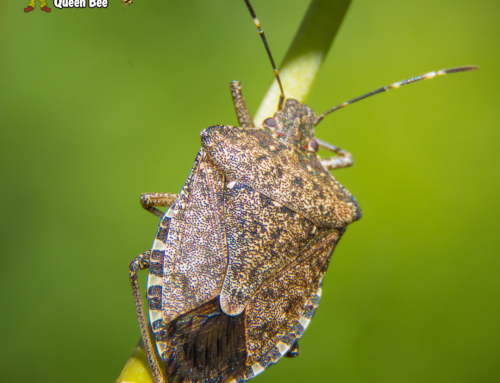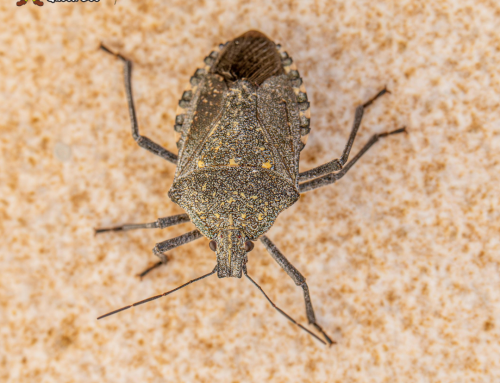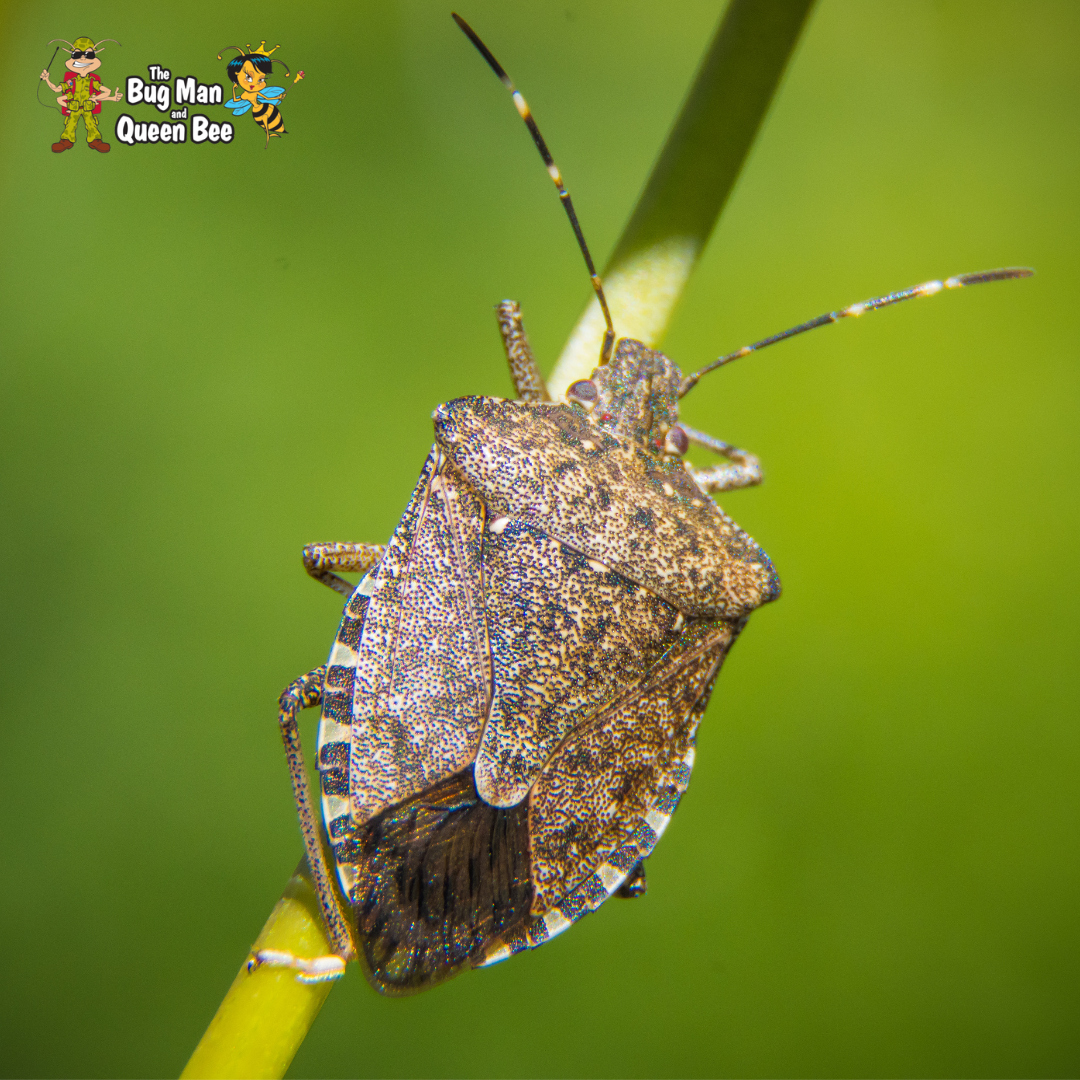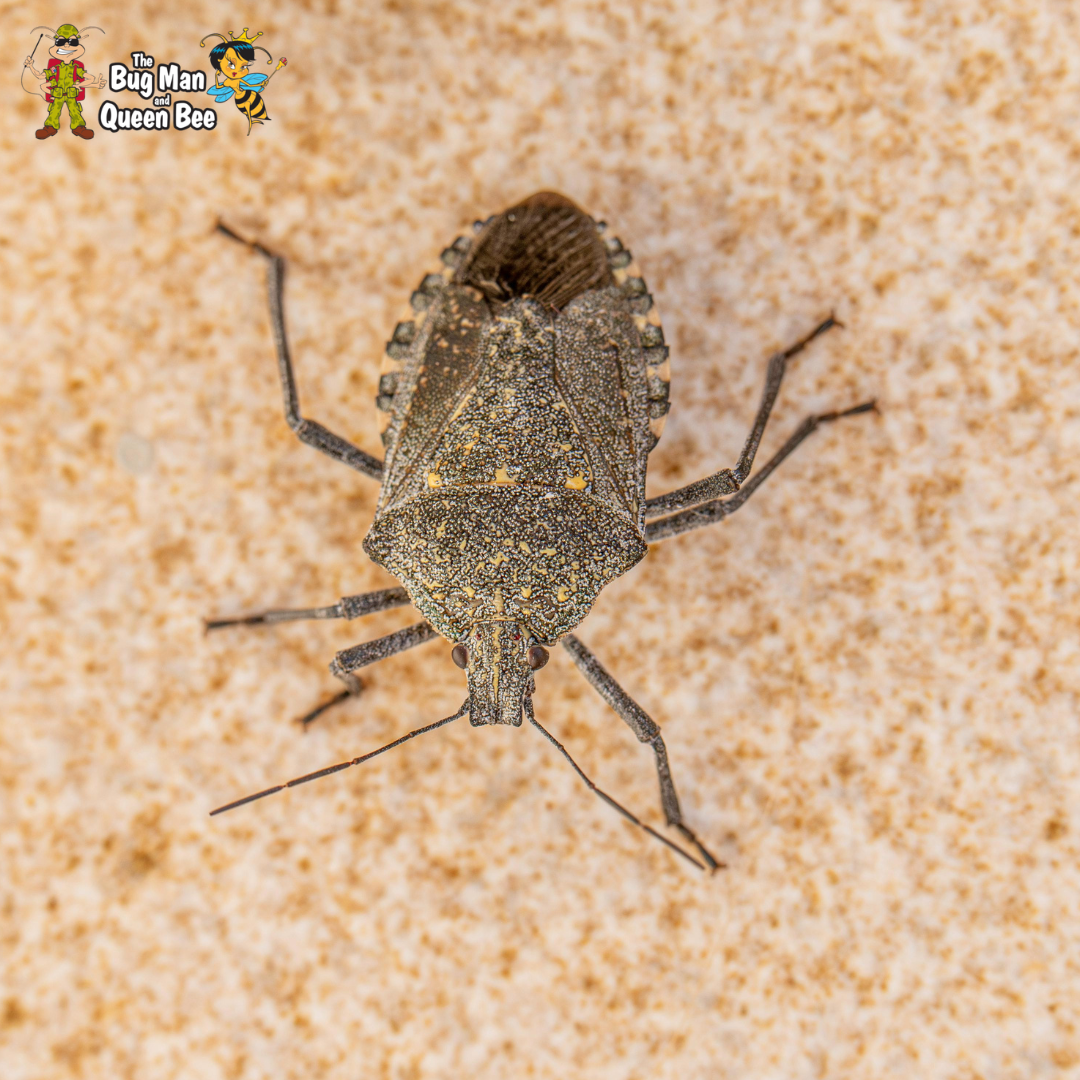
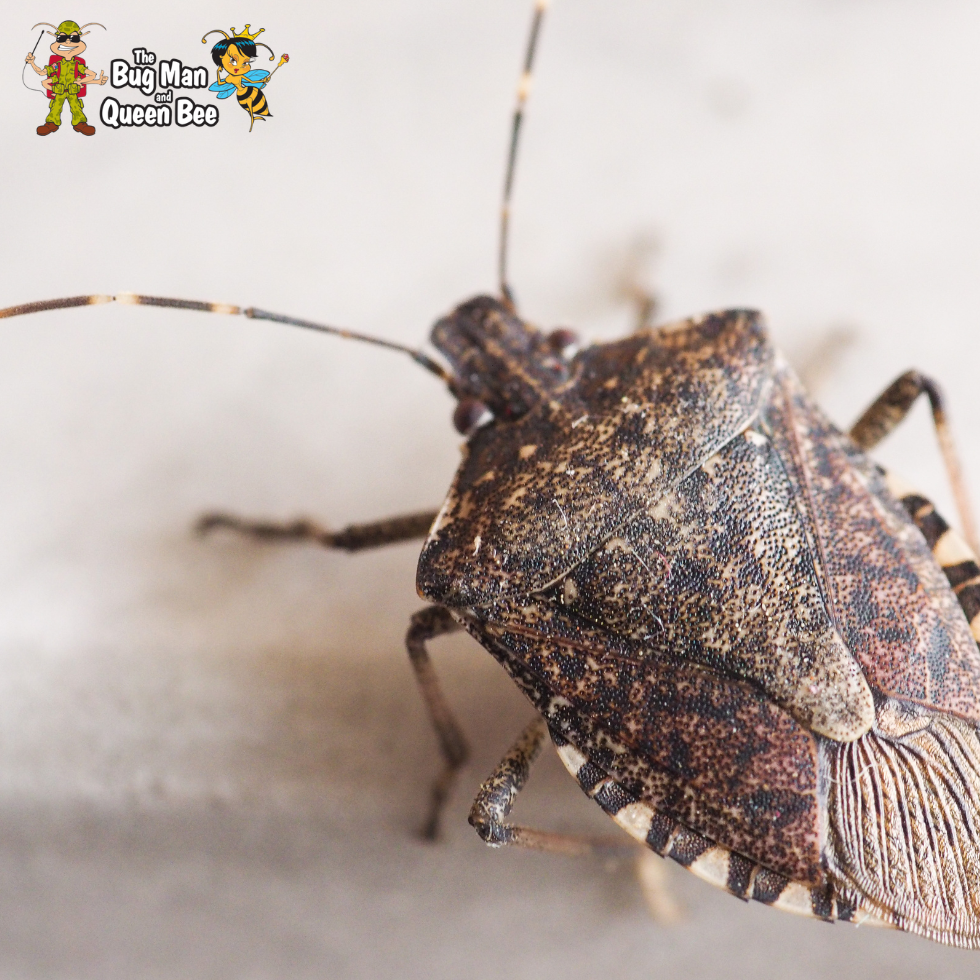
You vacuumed a few stink bugs off the window, swept one out of the kitchen, and thought the problem was handled. Then the next warm day hits, and more show up near the same sunny window or upstairs room.
That is the frustrating part of removing stink bugs from a Milwaukee home. Getting rid of the ones you can see helps right away, but it does not always stop the next group from finding its way inside. Stink bugs are seasonal invaders, which means prevention matters just as much as removal.
At The Bug Man & Queen Bee, we help homeowners reduce stink bug problems by focusing on where they gather, where they enter, and when they are most likely to move indoors.
How Do You Prevent Stink Bugs After Removing Them?
After removing stink bugs, the best way to prevent future issues is to seal small entry points, reduce places where they gather near the home, and schedule exterior treatment at the right time in the fall. Stink bugs often enter through gaps around windows, doors, siding, soffits, vents, and foundations. Interior removal handles the bugs you can see, but long-term control usually starts outside before they overwinter indoors.
Why Do Stink Bugs Come Back After You Remove Them?
Stink bugs usually live outdoors on plants, trees, in gardens, and on crops. In the fall, they look for warm, protected places to spend the winter. Homes with sunny south- and west-facing walls can attract them because those surfaces hold warmth.
Once stink bugs find small gaps, they may move into wall voids, attics, trim spaces, and other protected areas. You may not see all of them at once. Some stay hidden until a warm winter day or early spring, then they appear near windows, lights, and upper rooms.
This is why removing a few stink bugs from inside the home does not always mean the issue is over. The visible bugs are only part of the problem. The bigger issue is how they got in and whether more are already hiding in protected areas.
Stink bugs do not bite, sting, or damage the structure of your home. The main problem is their odor when crushed or disturbed, along with the stress of seeing them return again and again.
What Should You Do After Removing Stink Bugs?
After removing stink bugs, avoid crushing them. Crushing can release the odor that makes them so unpleasant. A vacuum, broom, or gentle removal method is usually better for the few bugs you can see inside.
If you use a vacuum, empty it outside as soon as possible. A vacuum can hold the smell, especially if stink bugs stay inside the canister or bag. For larger numbers, some homeowners prefer using a shop vac that can be cleaned out after use.
Next, pay attention to where the bugs are showing up. Are they near a certain window? Do they keep appearing in an upstairs bedroom, attic space, or sunroom? These clues can point to nearby entry areas.
Common spots to check include:
- Window and door frames
- Torn or loose screens
- Gaps near siding and trim
- Soffits and fascia boards
- Attic vents
- Utility openings
- Foundation cracks
- Door sweeps with visible daylight
- Chimney openings or missing screens
Small gaps can be enough for stink bugs to slip through. Sealing and maintenance can help reduce future indoor activity, especially when done before fall movement begins.
Removing Stink Bugs vs. Preventing Stink Bugs: Which Matters More?
Removing stink bugs is useful when they are already inside. It gives you fast relief and helps keep living areas more comfortable. This is the right step when you see a few bugs on windows, walls, curtains, or ceilings.
Preventing stink bugs is the better choice when the problem keeps coming back. Prevention focuses on stopping them before they settle into hidden spaces for the winter.
Here is the difference:
Removing stink bugs handles the current problem. Preventing stink bugs reduces the chance of another round.
DIY removal can make sense for a few bugs here and there. Professional stink bug extermination is worth considering when you see them every fall, find them in groups, or notice them coming back after you already cleaned them up.
Interior sprays are usually not the best answer for stink bugs. If stink bugs die inside wall voids, they can create odor problems and may attract other pests. That is why our reduction service focuses on the exterior of the home, where stink bugs gather and enter.
When Does Stink Bug Prevention Matter Most?
Stink bug prevention matters most before they move indoors for the winter. In the Milwaukee area, that usually starts when late summer shifts into fall and stink bugs begin showing up on warm exterior surfaces.
You should consider prevention if you notice stink bugs on the sunny sides of your home, around window frames, near exterior lights, or inside the same rooms every year. Older homes, homes with mature landscaping, and homes near gardens, wooded areas, or open green space may also see more activity.
Prevention may not be needed if you only find one or two stink bugs and they do not return. A stray bug can get inside through an open door, a package, or a torn screen.
It becomes more important when removal turns into a routine. If you are vacuuming stink bugs every week, finding them in upstairs rooms, or seeing them again in spring, it is time to look beyond simple cleanup.
Who Benefits Most From Stink Bug Extermination in Milwaukee?
Stink bug extermination is a good fit for homeowners who deal with repeat fall invasions. It is especially helpful for homes where stink bugs gather in large numbers on the outside before appearing indoors.
Milwaukee homeowners with sunny siding, older windows, exposed gaps, attic access points, or lots of exterior trim may benefit from a professional inspection and reduction treatment. These homes often give stink bugs more places to rest, hide, and enter.
This service is also helpful for homeowners who want a more responsive option than waiting until stink bugs are already inside. Once stink bugs settle into hidden spaces, removal becomes harder. A fall exterior treatment helps reduce the number that can enter before winter.
Our Stink Bug Reduction Treatment is designed to reduce stink bugs by treating key exterior areas of the home, including spots like the foundation, eaves, shutters, and other areas where they may gather. The timing matters. The application should happen as soon as the first stink bugs appear in the fall, often around late August to early September.
Why Exterior Stink Bug Treatment Is Trusted for Seasonal Invaders
Stink bugs are part of a group often called seasonal invaders. This group includes pests that move toward homes when weather and daylight patterns change. Boxelder bugs and Asian lady beetles are other common examples in Wisconsin.
For these pests, the most effective plan often focuses on exterior entry points and gathering areas. Professional pest control technicians know where to look and how to treat the areas that matter most.
A good stink bug plan does not rely on spraying random indoor areas. It looks at the home’s structure, the time of year, the sunny sides of the building, and the points where stink bugs are most likely to slip inside.
This is why timing, placement, and product choice matter. Stink bugs can be difficult to control once they are already hidden indoors. Treating the exterior at the right time gives homeowners a better chance of reducing the problem before it grows.
Keep Stink Bugs From Taking Over Again
Removing stink bugs can solve the immediate problem, but prevention is what helps stop the cycle. If they keep coming back, the issue is likely tied to entry points, timing, and where they are gathering outside your home.
For Milwaukee homeowners, fall is the key season for stink bug prevention. Acting before they overwinter indoors can make a big difference in what you see during winter and spring.
If removing stink bugs has become part of your normal routine in Milwaukee, give The Bug Man & Queen Bee a call. We can provide an estimate over the phone, get your home on the schedule, and help reduce stink bugs before they settle in for the season.