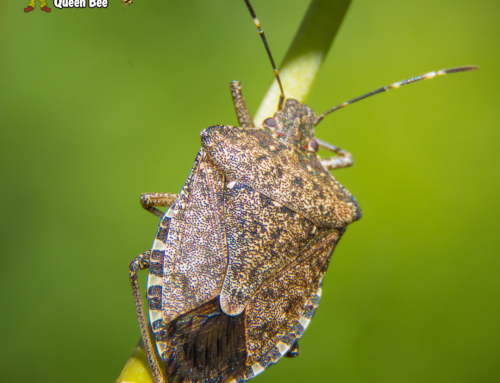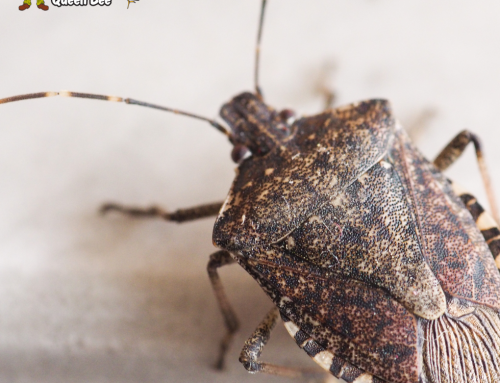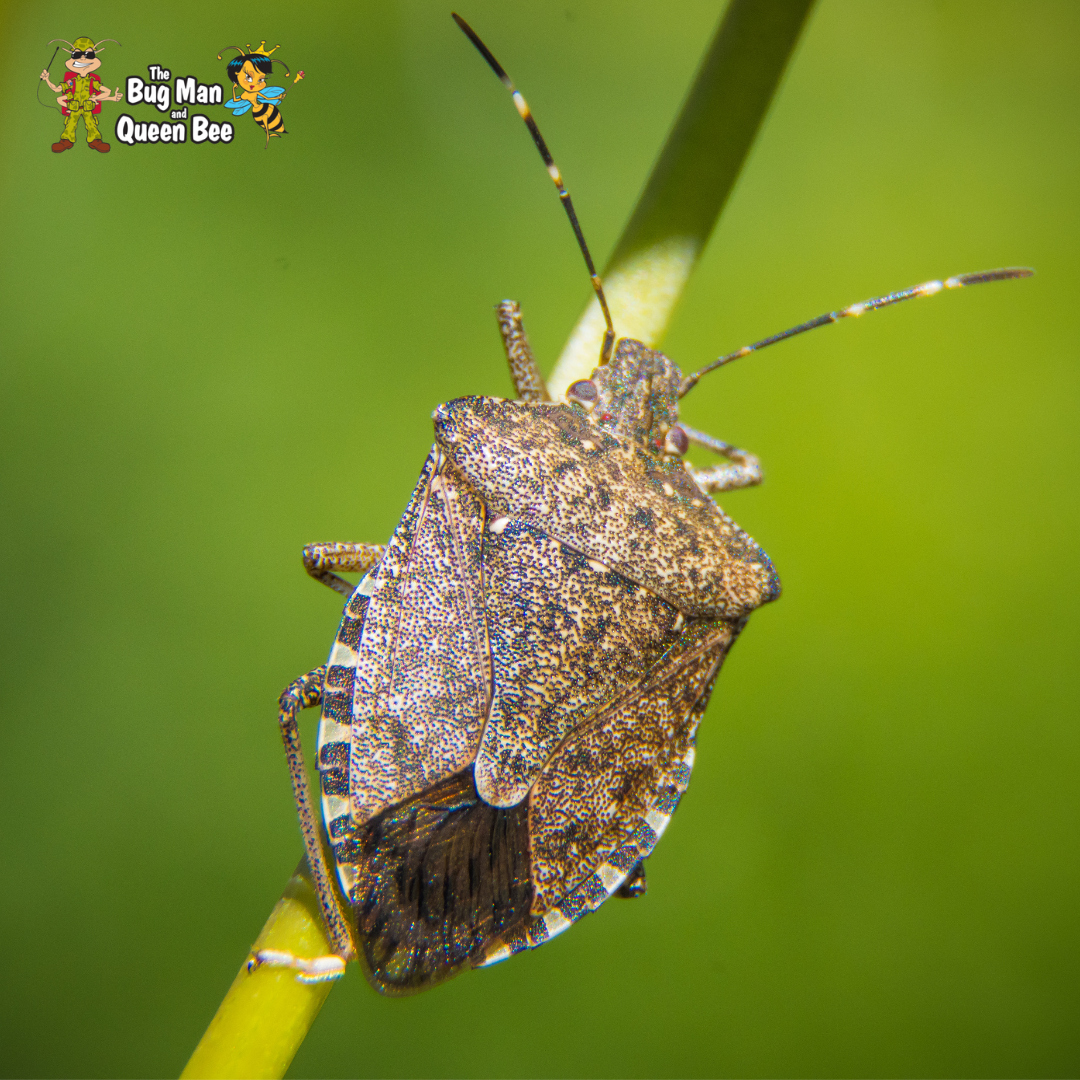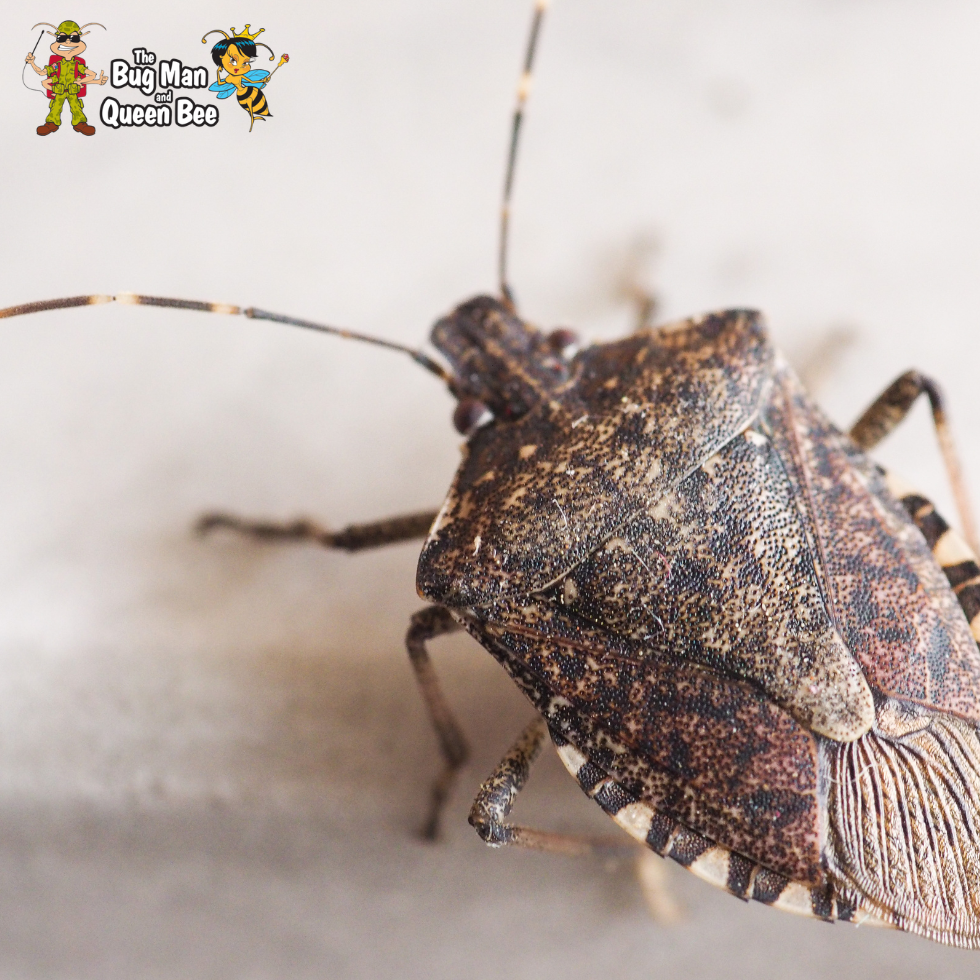
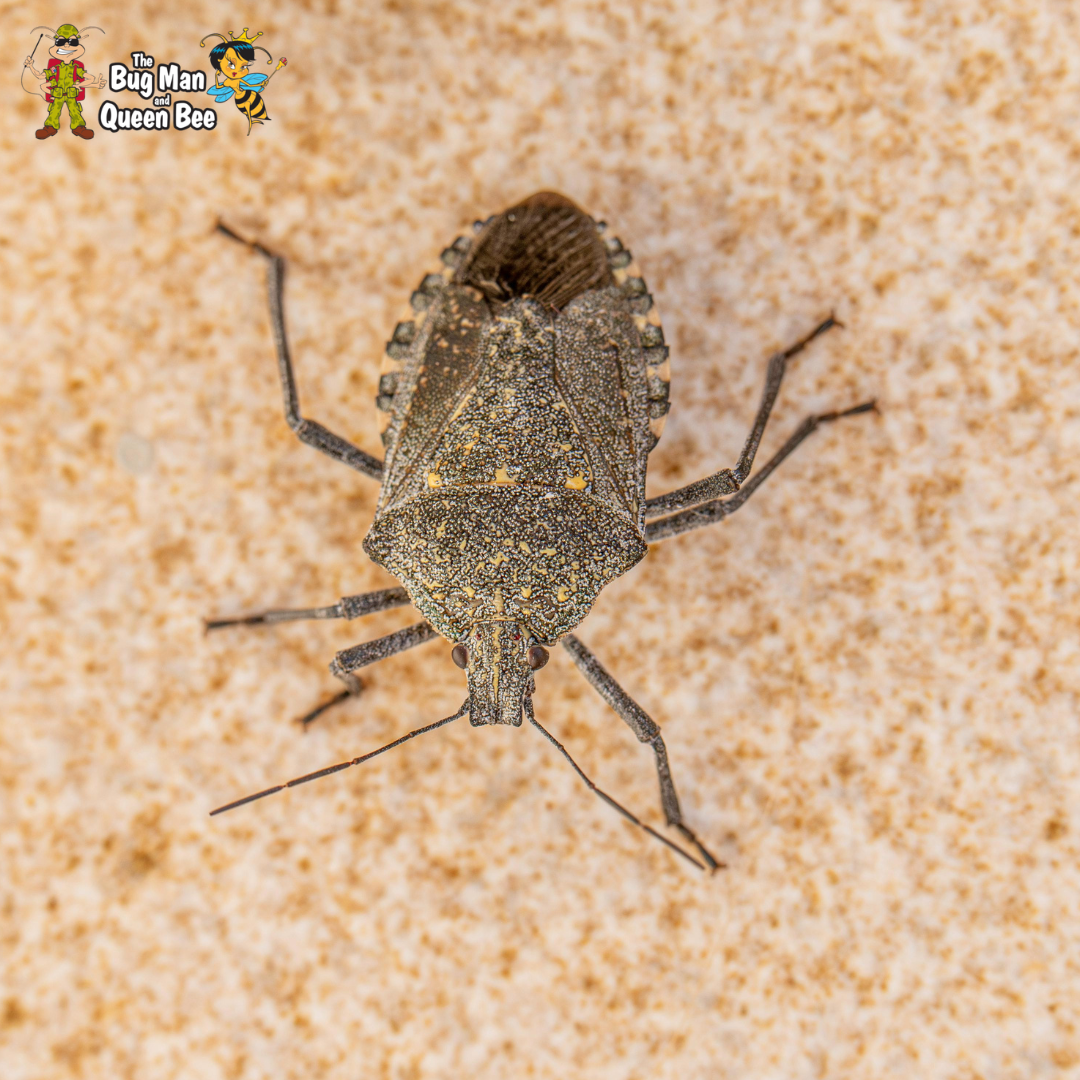
One cool September afternoon can be enough to make stink bugs suddenly noticeable around a house. You may see several sitting on sun-warmed siding, then find one crawling across a ceiling weeks later. For Milwaukee homeowners, a stink bug infestation often follows this same pattern because brown marmorated stink bugs spend most of the year outside but look for protected places to overwinter when temperatures start falling.
The important detail is when they get inside. Stink bugs that appear in your living room during winter did not necessarily enter that day. Many moved into cracks, wall voids, and other sheltered parts of the house during fall and stayed hidden until indoor warmth made them active again.
Why Stink Bugs Invade Wisconsin Homes in the Fall
A stink bug infestation usually begins when brown marmorated stink bugs gather on warm exterior surfaces in late summer and fall, then enter through small openings to find a protected place for winter. They are seeking shelter rather than food, and they do not establish a breeding population inside the home. Preventing entry before they settle into the structure is more useful than waiting until they begin appearing indoors.
Why Do Stink Bugs Suddenly Gather on Certain Homes?
Brown marmorated stink bugs live outdoors on plants, trees, and crops during the warmer part of the year. As Wisconsin moves toward colder fall weather, adult stink bugs begin looking for places where they can survive the winter.
This behavior explains why one house may have dozens of stink bugs on the siding while another nearby home has very few. Stink bugs tend to gather on warm surfaces, and we commonly see more activity on the south and west sides of homes where afternoon sun heats the exterior. Once they collect there, nearby cracks and openings can give them a route inside.
This is a seasonal behavior rather than a sign that your home is dirty or attracting stink bugs with an indoor food source. Wisconsin has one generation of brown marmorated stink bugs per year, according to UW-Madison Extension, and adults spend the winter in protected locations such as homes and other structures.
Where Are Stink Bugs Getting Into the House?
A stink bug does not need a wide opening to get indoors. Gaps near siding, windows, doors, vents, utility penetrations, and other exterior features can provide access to protected areas within the structure.
The combination of sun exposure and available entry points can make a particular home more vulnerable each fall. That is why homeowners who repeatedly see stink bugs should pay attention to where they first gather outside, not just where individual bugs eventually appear indoors.
Physical exclusion can help. Check damaged screens, worn weatherstripping, gaps around utility openings, and visible cracks before fall activity picks up. Our information about seasonal invaders also covers other Wisconsin pests that use homes for seasonal shelter, including boxelder bugs and Asian lady beetles.
Why Are Stink Bugs Still Appearing in Winter?
Finding stink bugs indoors in December, January, or even early spring does not necessarily mean new insects are continuing to enter your house. Bugs that slipped into the structure during fall can remain hidden in protected areas for months.
Indoor heat can occasionally cause an overwintering stink bug to become active. It may then move from a wall void or another hiding place into the living area, where you find it near a window, wall, light, or ceiling.
This also explains why treating a few visible stink bugs indoors does not address the main problem. Once they are already inside hidden areas of the structure, there is little that can be done other than physically removing the bugs that appear. Our service details focus instead on reducing how many make it inside to overwinter.
When This Matters: Is Fall Stink Bug Treatment Worth Considering?
Professional stink bug reduction is most relevant for homeowners who see substantial exterior activity every fall or repeatedly find stink bugs indoors through the winter and following spring. Seeing one or two bugs occasionally may be manageable with physical removal and sealing obvious entry points.
The situation is different when stink bugs routinely cover sunny exterior areas or return inside year after year. By the time large numbers are appearing in living spaces, many may already be sheltered within the structure.
Our stink bug reduction treatment is applied in the fall, with extra focus on the sunny sides of the home where these insects are most attracted to gather. The goal is to reduce the number of stink bugs that successfully overwinter in the house. Timing matters because treatment is more useful while the insects are gathering outside than after they have already moved into protected interior spaces.
Sealing gaps and professional reduction treatment also serve different purposes. Sealing addresses physical access points that insects may use. Our fall treatment targets the seasonal stink bug activity occurring around the home. For homeowners with recurring problems, the two concepts make more sense before the annual migration indoors than as a reaction to individual bugs appearing months later.
Reduce Your Next Stink Bug Infestation Before Winter
A stink bug infestation in Milwaukee often starts quietly on the outside of the house before homeowners begin finding bugs indoors. Brown marmorated stink bugs gather on warm surfaces as temperatures fall, enter through available openings, and spend winter protected inside the structure. That is why the best time to think about the next round of stink bugs is while they are still gathering outside.
If stink bugs show up at your home every fall, The Bug Man & Queen Bee offers a fall reduction treatment designed to reduce the number that overwinter inside. Contact us to ask about timing and get an estimate for your home.